An Epidemic of Fat is coming Your Way!
Do you know what’s the biggest problem facing Barbados? Obesity.
Do you know what’s the biggest problem facing the USA? Obesity.
Do you know what’s the biggest problem facing Dominica? Obesity.
According to Forbes magazine, the Fattest Countries in the world are:
Rank |
Country |
% |
1. |
Nauru |
94.5 |
2. |
Micronesia |
91.1 |
9. |
United States |
74.1 |
11. |
Dominica |
71.0 |
12. |
Barbados |
69.7 |
20. |
Trinidad & Tobago |
|
In the US,
-
One third of the population is of Normal weight.
-
One third of the population is Overweight.
-
One third of the population is Obese.
-
In other words, ~100 million Americans are obese.
-
79 million are prediabetic.
In Barbados,
-
55.8% of adult men are overweight/obese.
-
63.8% of women are overweight/obese.
HOW MUCH DOES OBESITY COST?
The World Health Organization (WHO) claims that Barbados spent 6.7% of GDP on Health in 2008 but the Barbadian government claimed it spent 14% in 2001/2002, which would place it 2nd behind the USA.
Rank |
Country |
Total Health Expenditure per capita PPP Int. $ |
T.H.E. % of GDP |
1 |
United States |
7,164 |
15.2 |
41 |
Barbados |
1,498 |
6.7 |
46 |
Trinidad & Tobago |
1,237 |
4.7 |
WHO WILL BE LEFT TO TAKE CARE OF THE FAT TWO THIRDS?
In Barbados,
-
from 2000 to 2005, the number of nurses fell from 922 to 900;
-
from 1995 to 2005, the number of Radiographers fell from 30 to 12;
-
Lab technologists number fell from 49 to 2.
-
Do you see where things are headed?
WHAT ABOUT OUR CHILDREN? ARE THEY GETTING FAT TOO?
“The problem of childhood obesity in the United States has grown considerably in recent years. Between 16 and 33 percent of children and adolescents are obese.” American Academy of Child and Adolescent Psychiatry.
A 2008 study has found that children who are obese have carotid arteries which have prematurely aged by as much as thirty years as well as abnormal levels of cholesterol.

‘As Anna Busby says, based on her observations as the nurse of the Bogalusa Middle School Health Clinic, (Louisiana) overweight and obese children are at risk of being “on dialysis in their thirties if we don’t do something now.”
SO WHAT CAN WE DO?
Herein lies a huge problem. The Health Care industry only gets paid to care for sickness, not for wellness. So the hospitals and providers stand waiting for you to fall sick and then they get into motion so they will wait decades for us to come down with diabetes etc. In the meantime, it’s up to us to look after each other. We have to try to prevent the diseases of obesity such as diabetes, heart attacks, strokes and cancer.
Fortunately, some providers have taken wellness to heart and built their whole approach around it. One such organization is Kaiser Permanente which came into being during the Depression precisely to keep workers healthy so that they could build the Grand Coulee Dam and then America’s navy and then turned to American workers in general.
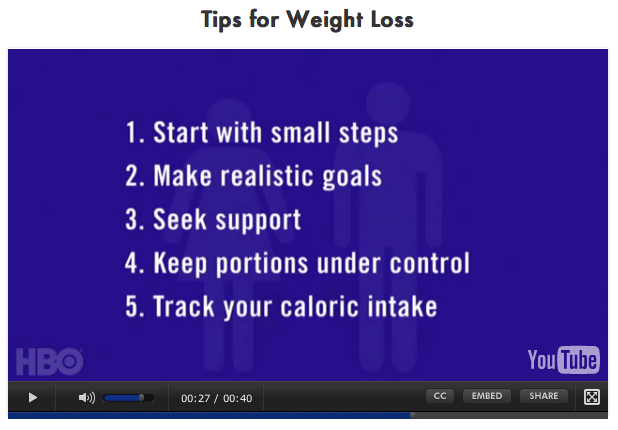
Well Kaiser Permanente, the Institute of Medicine, the CDC and Dell Corporation got together with HBO to produce a series of Videos to document the problem of Obesity and point out solutions. Among the many facts you will learn there are that:
Sugary drinks are a major source of calories for children ages 2-18.
One 20-oz. bottle of regular soda has about 14 teaspoons of sugar. That’s more sugar than two candy bars.
Consumers spend the biggest share of their food dollars on sugar, sweets, fats and oils, non-alcoholic beverages, and many prepared foods.
Where do our kids get their meals?
-
Studies show that 20% of students eat breakfast,
-
40% have a snack and
-
90% eat lunch at school.
But School Lunches are Not as Healthy as You think:
-
When the USDA last surveyed parents to find out what they thought about the quality of school food, 88.9% believed the food was very or somewhat healthy.
-
The same USDA study found that 94% of schools served a lunch that failed to meet USDA standards for healthy school meals.
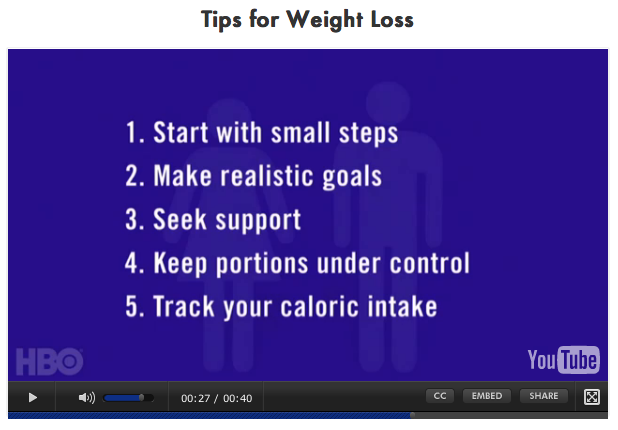
On average, U.S. adults spend nearly 20 hours a week watching TV. Fewer than half of  them get the recommended 2.5 hours of weekly moderate-intensity activity. Move more, sit less. Replacing sedentary time with active time can help you lose weight and improve your health.Taking just 1,000 more steps every day could add up to almost 200 miles in a year.Adults who walk more tend to gain less weight. Find easy ways to build more steps into your day.
How to Replace Sitting Time with Active Time
-
While you’re watching TV, march in place or do other activities that make your heart beat faster.
-
Instead of relaxing by watching TV, take a walk!
-
Dance to your favorite songs.
-
Take the stairs instead of the escalator or elevator.
-
After a meal, take a walk instead of watching TV.
-
At work, take a break by walking around your building. Two times around would be even better.
-
Stand or walk while talking on the phone or reading emails.
If you would like to see the Video on these facts, click
http://theweightofthenation.hbo.com/
http://www.ctv.ca/CTVNews/TopStories/20081111/kids_arteries_081111/
http://www.aacap.org/cs/root/facts_for_families/obesity_in_children_and_teens
What kills twice as many Americans in one year as did the Vietnam & Iraq wars combined?
The Vietnam War waged from 1961 – 1975 and American battle deaths reached 47,410.
The Iraq War waged from 2003 – 2011 and American battle deaths reached 4,487.
In one year the CDC estimated “that 1.7 million hospital patients become infected each year, causing or contributing to the deaths of nearly 100,000 people.”

This, believe it or not, indicated some improvement since 2000-2002 when “an average of 195,000 people in the USA died due to potentially preventable, in-hospital medical errors in each of the years 2000, 2001 and 2002, according to a new study of 37 million patient records that was released today by HealthGrades, the healthcare quality company.”

To try to stop this carnage in American hospitals, the Institute for Healthcare Improvement (IHI) began a campaign to save 100,000 Lives. IHI engaged over 3000 US hospitals (representing over 80% of total US hospital discharges) from January 2005 to June 2006 in its campaign to avoid 100,000 unnecessary deaths by adopting six evidence based interventions:
-
Deploy rapid response teams to patients at risk of cardiac or respiratory arrest
-
Deliver reliable, evidence based care for acute myocardial infarction
-
Prevent adverse drug events through drug reconciliation (reliable documentation of changes in drug orders)
-
Prevent central line infections
-
Prevent surgical site infections
-
Prevent ventilator associated pneumonia.
“The campaign estimates that, as of April 2006, participating hospitals had saved over 84 000 lives (based on 83% of participating hospitals submitting mortality data).”
The results so encouraged IHI that it went on to start the 5 Million Lives Campaign. IHI reported Hospitals participating in the Campaign had not only significantly reduced their monthly hospital acquired infection (HAI) rates, in some months all the way down to zero, but “a surprising number were getting down to zero and staying there.”
“If we could focus our efforts on just four key areas –
-
failure to rescue,
-
bed sores,
-
postoperative sepsis, and
-
postoperative pulmonary embolism – and
-
reduce these incidents by just 20 percent, we could save 39,000 people from dying every year,” said Dr. Collier, VP of HealthGrades.
Thus armed with American facts I tried to obtain similar studies about the hospitals in the Caribbean but could find none. However, as the WHO map below shows, Latin America is a hotbed of untreatable Staph. aureus infections so avoid hospitals wherever you go.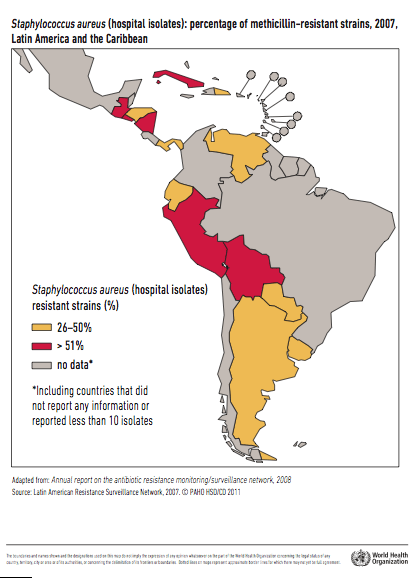
An Ounce of Prevention
Harvard did a study in Guatemala of 3 villages:
-
one received modern medicine,
-
the second got medical care plus access to better nutrition and
-
the third got neither.

“After 5 years there was hardly any difference in outcomes”.
Similar studies on Navajo Indians living in poverty and the 1970 Welfare Study in New York showed no difference in morbidity or mortality among aged subjects.”
The conclusion: “From these and other evidences what we doctors do for people is rather insignificant.”
So what’s significant? In the last 30 years Heart-related deaths have dropped 40 – 50% – the presumed causes:
-
increased exercise,
-
less smoking and
-
dietary modifications.
What remains therefore is to incentivize fitness through lower health insurance premiums. The more fit you are the less you pay.
“We haven’t found any biologic reason not to live to 100,” Director of the National Institute of Aging.
But are we getting ready for the future?
As many as 552 million people, or about 1 in 10 adults worldwide, could have diabetes by 2030, according to a recent report by the International Diabetes Federation. Additionally, as many as 183 million people may be unaware that they have diabetes, according to the report, and the highest proportion of cases is among those ages 40 to 59.
What can we do for all these Patients?
1. Incentivizing them by offering to reduce health insurance premiums if they adopt healthy behaviors.
For example, the average American spends $8,200 per year on health expenses. A paper in JAMA showed that by using a health questionnaire to survey 5,689 adults over the age of 40 with one chronic condition and triaging them to an appropriate risk group — diet, smoking, alcohol, exercise and so forth — this simple strategy lowered health care costs per individual by an average of $2,000 a year.
2. Get rid of the needle for testing Diabetics’ blood sugar:
Instead use a C8 MediSensor: “It shines a light into your body and measures the glucose signature return, and displays the measurement on your cell phone,” said Doug Raymond, the company’s vice president. It can improve the lives of diabetics by giving them a continuous view of their glucose levels without the pain, inconvenience and high cost of invasive glucose monitoring.

Paul Zygielbum, COO of C8 MediSensors, is waiting for regulatory approval for the company’s noninvasive glucose monitor that uses light technology to measure sugar levels.
3. Prevent hip fractures:
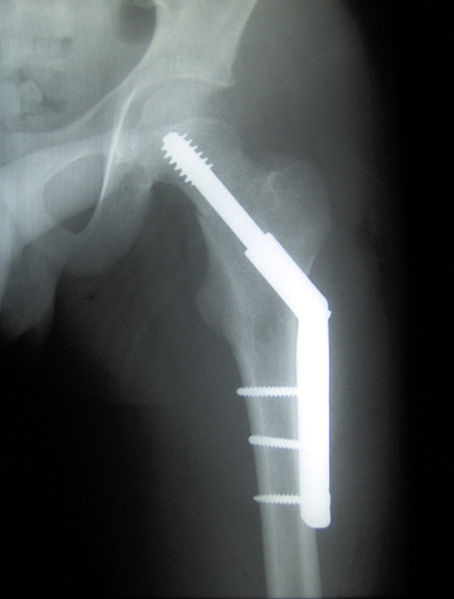
Kaiser used its electronic record-keeping system on 620,000 people in Southern California and reduced hip fracture rates by 37% to 50% by means of a systematic focus on prevention. Since a hip fracture costs $80,000 on the open market the cost savings are huge.
4. Give them a saliva test for HIV:
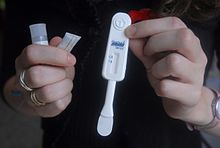
A popular oral screening method for HIV is just as effective as traditionally used blood tests.
The ‘OraQuick HIV 1/2’ swab-style test demonstrated 99 percent accuracy when used in populations with a high HIV risk and 97 percent accuracy in low risk populations. An accuracy rating of 99 percent is similar to that achieved by HIV blood tests.
5. What about Cancer? How do we advise them?
Lung and Bladder cancer:
Stop Smoking

Colon Cancer:
Offer pleasant prep-free colonoscopies.
Use Check-Cap’s ingestible and disposable imaging capsule to image the colon in 3D. The capsule will require no bowel cleansing before ingestion and no hospital visit, allowing patients to go about their daily routines without having to alter their activities.
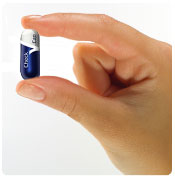
GE is investing in the Check-Cap imaging capsule that can help detect colorectal cancer as it travels through the intestines.
“Deaths from colorectal cancer could be cut by as much as 60% if all people aged 50 years or older received regular screening tests.”
Prostate Cancer:
No known way of prevention yet.
• Learn about prostate cancer

• Talk with your doctor
• Make the decision that’s right for you
Conclusion:
Obviously we can save millions of lives and billions of dollars by preventing disease. The question, therefore, is will we switch from waiting until disease sets in and then trying to cure it or will we pro-actively try to prevent it? As the bard once said, “the fault, dear Brutus, lies not in our stars but in ourselves that we are underlings.”
Can Jamaican bush tea cure Cancer?
Back in the 1950s many Jamaicans believed that drinking a tea made from the leaves of Periwinkle (Vinca major) could help control their diabetes.
|


 Saving A Life